
Grooming & Snowpack Conditions
We’ll get right to it. With our first week of opening behind us, it’s important to note that we are still very much in early-season conditions across the trail system.
Since opening, it has been all hands on deck. Our groomers are putting in full overnight shifts with day grooms on Fridays and Saturdays. In current conditions, they’re making multiple passes on the same trails just to keep them passable. The work is being done, but with an unusually late start to winter and ongoing warm temperatures (including rain reaching nearly to the alpine today), the results aren’t always what anyone hopes for, riders or operators alike.
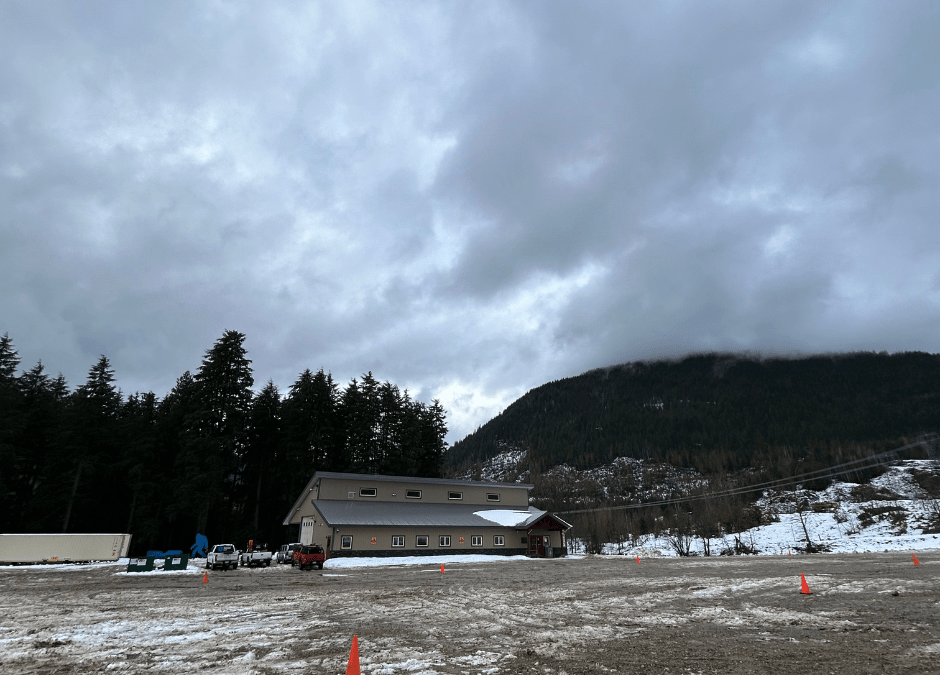
One point we want to highlight is the difference in snowpack across the mountain. While the alpine currently has significantly more snow, with reports of 220 cm or more, roughly two-thirds of our trail system sits below that zone. The most challenging area is the lower elevation access which has less than 20 cm of snow in many places. This disparity is what makes grooming particularly difficult right now, even when conditions higher up are riding well.
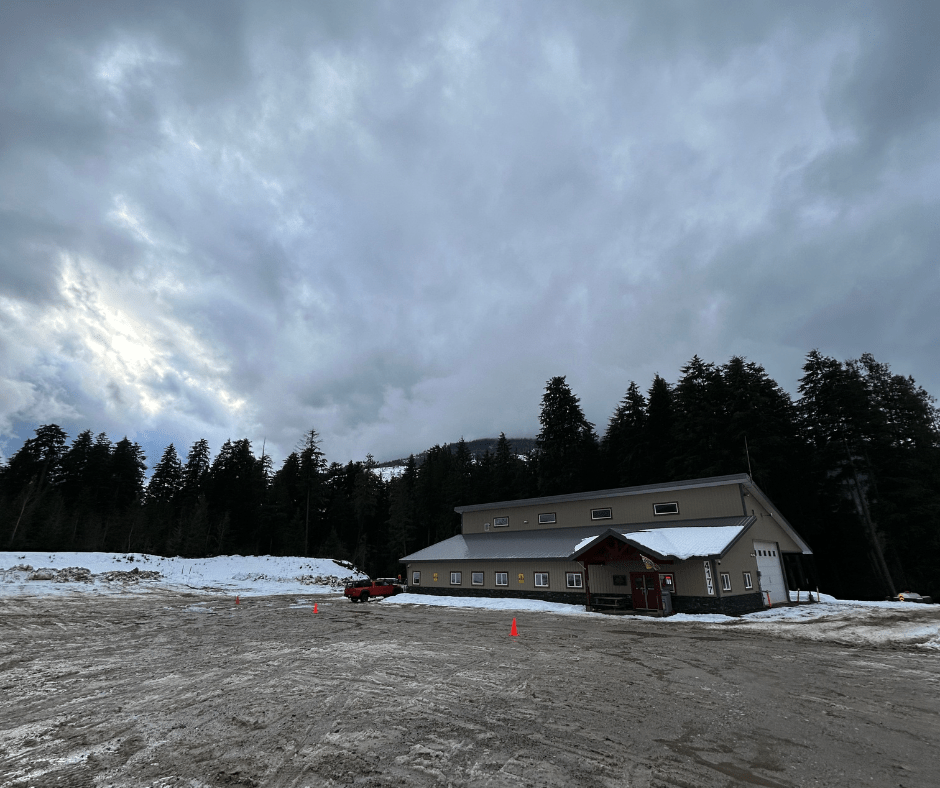
At the moment, our parking and staging remain at both of our lower lots. Boulder is spotty on the way to the bridge but improves from there onwards. Frisby is a bit better off however these conditions are subject change.
Daily Trail Pass Prices Explained
We’ve also heard concerns about charging full price under these conditions, and we want to provide some context. The daily trail fee is set through Recreation Sites and Trails BC, and as a not-for-profit organization, we operate on a cost-recovery model. This fee is designed to help recover our annual operating costs, not just the operations of a single day.
Because we have a relatively short winter season to generate revenue, the fees collected during that time support year-round expenses. In winter, this includes wages, grooming fuel, equipment maintenance and repairs, insurance, utilities, signage, supplies, and other fixed costs required to keep the trail system open. During the summer months (when there is no income from trail fees) those same funds support trail maintenance and facility work that keeps roads and infrastructure functional for the following season.
Summary
In short, the trail fee supports the long-term operation and sustainability of the entire system. These conditions put us in a difficult operational position: grooming still needs to happen (and conditions are worse if it doesn’t), and the costs of running the trail system don’t pause during challenging weather.
We truly value our riding community and don’t want anyone to feel misled or unheard. Feedback, when shared respectfully, does help us improve, and we appreciate those who bring concerns forward constructively.
We’re hopeful that cooler temperatures forecast later this week will help stabilize the snowpack and improve conditions across the lower trails.
Until then, we appreciate everyone’s patience and understanding during this time.

